

 English
 German
 Spanish
 French
 Turkish

Crypto Payment Processing: How It Works, Fees and Providers
Crypto payment processing explained: the 6-step flow, confirmation times and fees by network, custodial vs non-custodial, compliance and top providers.
Accept crypto payments in 300+ coins
One integration, instant settlement in crypto, USDT or fiat.
Get Started
Everything a merchant needs, in one dashboard
Checkout, conversion, reporting and team controls without extra tools.
All features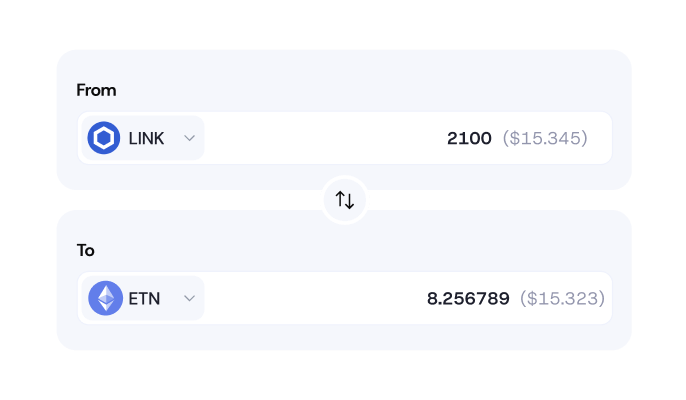
Platform
Built for regulated high-risk businesses
iGaming, forex and other verticals that meet our onboarding standards.
Talk to sales
Commerce
Your card processor decides which of your customers are allowed to pay you — by category, by country, by bank. GatewayCrypto adds a rail that does not: crypto and stablecoin payments for subscriptions, annual plans and invoices, reconciled to the right account automatically and settled to your bank in fiat.
Get Started
Each billing cycle your system asks for a payment and we confirm it the moment it lands, with a callback your billing logic already knows how to handle. Your entitlement rules, your dunning, your grace period — we move the money, you keep the system of record.
Whole categories of software buyer are simply not served by card rails — in the wrong country, on the wrong list, or holding dollars only as stablecoins. Crypto is the rail that reaches them, and they are already used to paying with it.
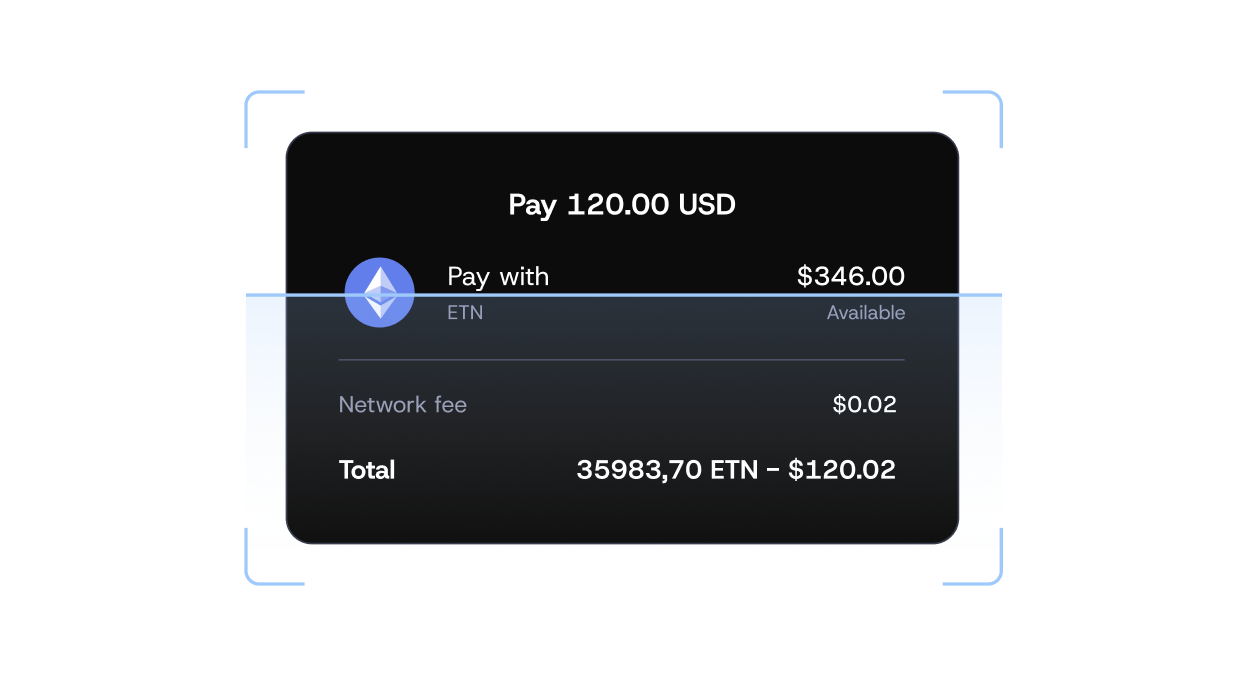
Each customer gets their own permanent address in every coin you enable, so a payment reconciles to the right subscription automatically — no memo tags, no matching a wallet hash to an invoice by hand at month end.
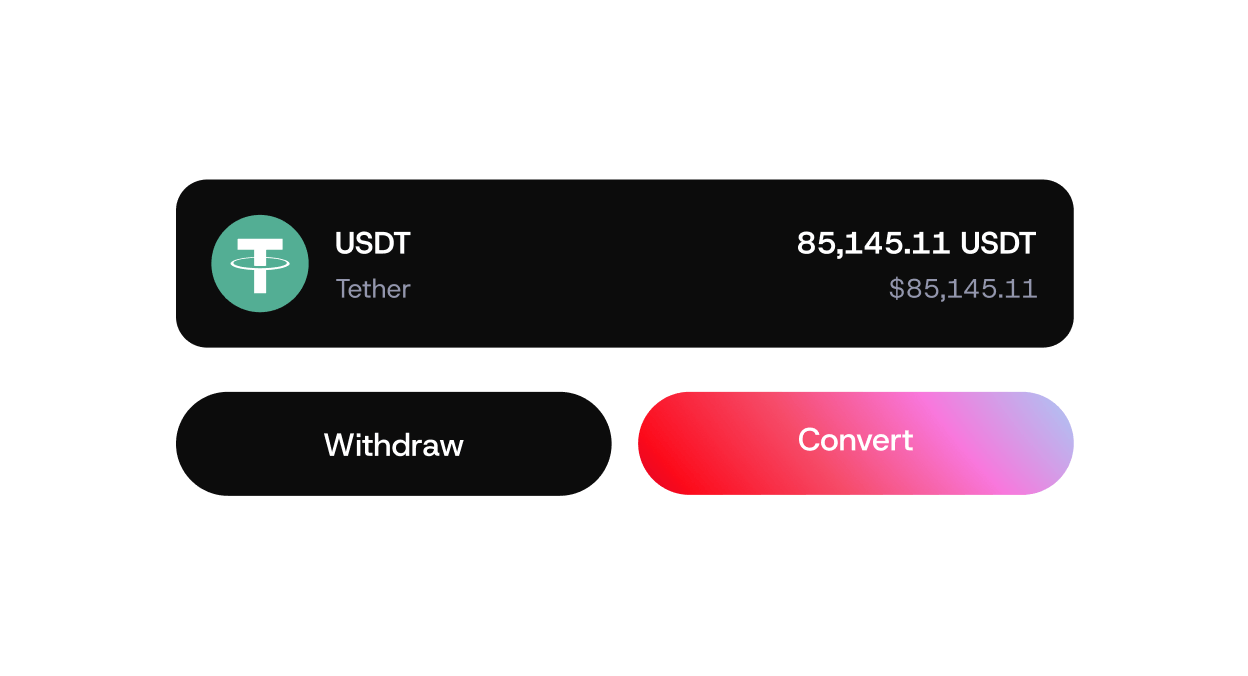
Take payment in 70+ cryptocurrencies, auto-convert into the asset you choose, and withdraw in fiat to your bank account with instant settlements. Your revenue line stays in one currency, and your finance team never has to explain a token to an auditor.
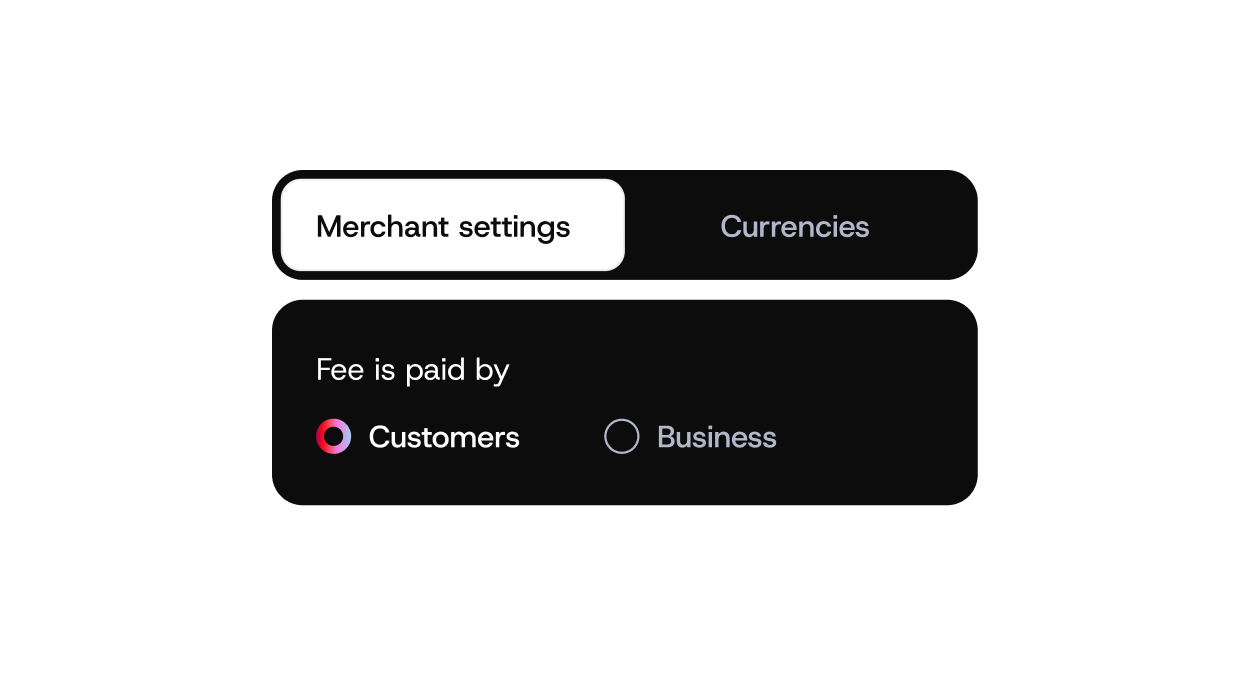
Absorb network fees on a small monthly plan and pass them on for a large annual one — or the other way round. It is configured per flow, not imposed on you.
Keep your billing system, your plans and your card processor. GatewayCrypto is a second way to get paid, not a migration.
Create your GatewayCrypto account in just a few simple steps.
Connect our API to your billing system: we take the payment and fire a callback, and your code activates the plan exactly as it does for a card.
Let customers pay in the coins they already hold, from Bitcoin to the stablecoins most business buyers use as their dollar account.
Withdraw your revenue to your bank account whenever you want, with instant fiat settlements.
 GatewayCrypto Integration
A wallet is not a card on file. On-chain pre-authorizations exist, but the customer sets the limit and can revoke it, and a wallet can simply be empty on renewal day — which is why every gateway that offers auto-debit still ships reminders and dunning behind it. So we do not sell you a silent auto-charge. We give you a payment your billing system requests, a callback the instant it settles, and the same retry and grace logic you already run for failed cards.

Card processors publish lists of businesses they will not serve, and a category can move onto that list overnight. A second rail means a policy change at your acquirer is an inconvenience, not an outage on your revenue.

Self-serve software sells globally, but cards do not travel: declines, cross-border fees and a different local method per market. Crypto is the same currency everywhere, and it is how a large share of the world already holds dollars.

The bigger the contract, the worse the card is: limits, declines and a finance team that would rather pay an invoice. A stablecoin transfer clears a five-figure annual plan in minutes, with no wire chasing and no correspondent bank in the middle.

A near-perfect acceptance rate: we make sure that almost every payment your customers send actually reaches you — the payment that a card issuer would have declined for reasons neither of you will ever be told.

Our integration is designed to be straightforward, so crypto becomes a checkout option next to your card form — without re-plumbing the billing system your whole product depends on.

We partner with leading KYT providers and implement robust security measures, so every payment is screened and every transaction is compliant with regulatory standards — the trail your auditors and your enterprise customers will ask about.

Every crypto transaction is final. Nobody disputes six months of a subscription they used, and no acquirer holds a reserve against the possibility — a refund becomes your decision to make, not a card network's.

Tell us how you bill — which billing system, monthly or annual, self-serve or sales-led — and we will show you where the crypto rail slots in and what it changes.
Crypto payment processing explained: the 6-step flow, confirmation times and fees by network, custodial vs non-custodial, compliance and top providers.
A 2026 integration playbook for accepting cryptocurrency in e-commerce and SaaS. Plug-ins for Shopify, WooCommerce, and Magento, REST API, webhooks, reconciliation, refunds, and common launch pitfalls.
The best crypto payment gateways in 2026 compared side by side: GatewayCrypto, NOWPayments, CoinGate, BitPay, CoinsPaid, CoinPayments and Coinremitter. Fees, supported coins, fiat settlement, KYC and licensing, plus how to pick one for your business.