

 English
 German
 Spanish
 French
 Turkish

Crypto Payment Processing: How It Works, Fees and Providers
Crypto payment processing explained: the 6-step flow, confirmation times and fees by network, custodial vs non-custodial, compliance and top providers.
Accept crypto payments in 300+ coins
One integration, instant settlement in crypto, USDT or fiat.
Get Started
Everything a merchant needs, in one dashboard
Checkout, conversion, reporting and team controls without extra tools.
All features
Platform
Built for regulated high-risk businesses
iGaming, forex and other verticals that meet our onboarding standards.
Talk to sales
Commerce
Your users are developers, and they are everywhere — including the countries and categories a card network has quietly decided not to serve. GatewayCrypto lets them top up credits in seconds from anywhere, lets you pay compute providers and model creators in bulk, and books your revenue in fiat.
Get Started
Nobody charges a card per API call — they meter usage against a balance the customer topped up. Crypto top-ups are credited with zero confirmations, so a developer who runs out of credits mid-job is back to shipping before their coffee lands.
Every account gets its own permanent address in each coin you enable, so a top-up credits the right balance automatically — no memo tags, no support ticket from a team whose org-wide budget is showing zero.
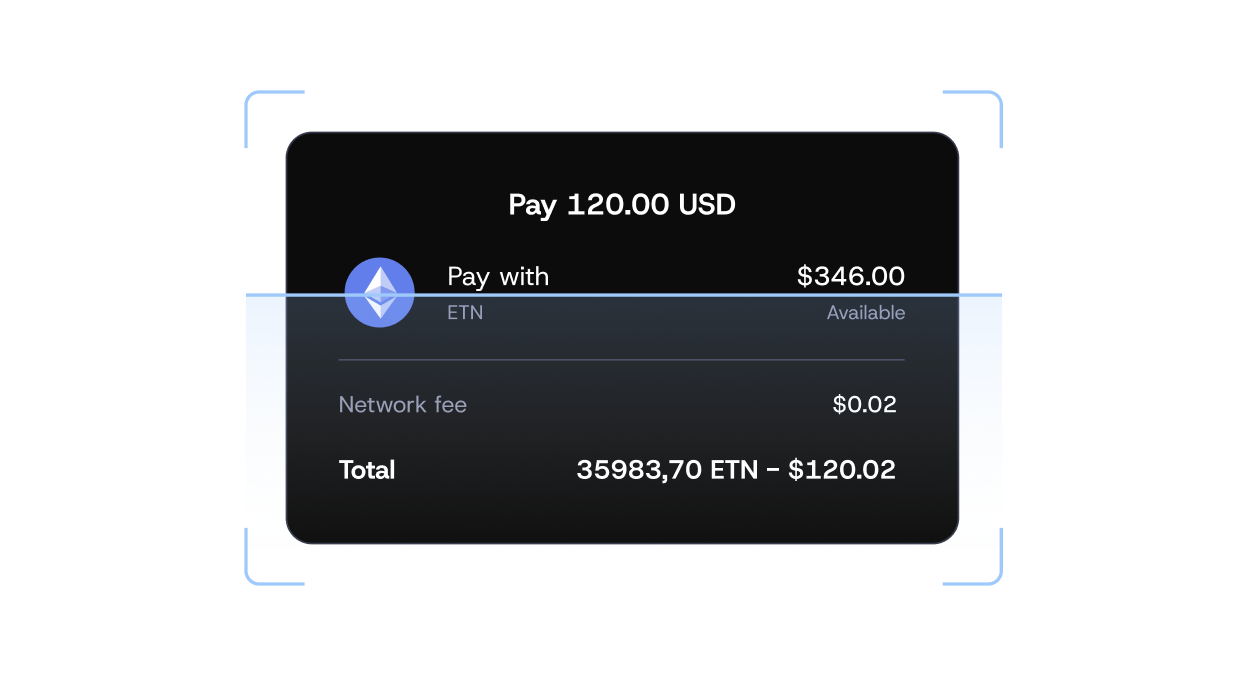
Inference and GPU hours are consumed the moment they are paid for — you cannot un-serve a token or un-rent an H100. Crypto payments are final, so what you spent real compute on stays paid for.
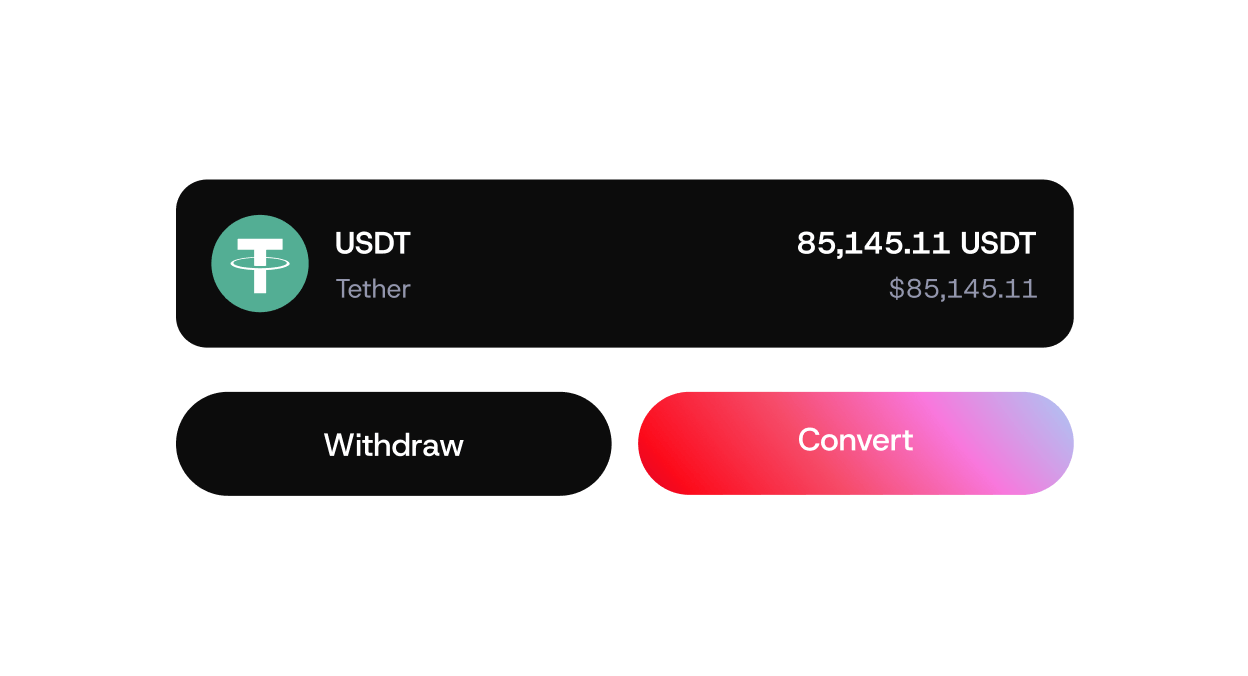
Compute providers, model creators, data labellers, affiliates — a marketplace pays out as often as it collects. Mass payouts settle the whole list from a single API call, on a Sunday if that is when your cycle falls.
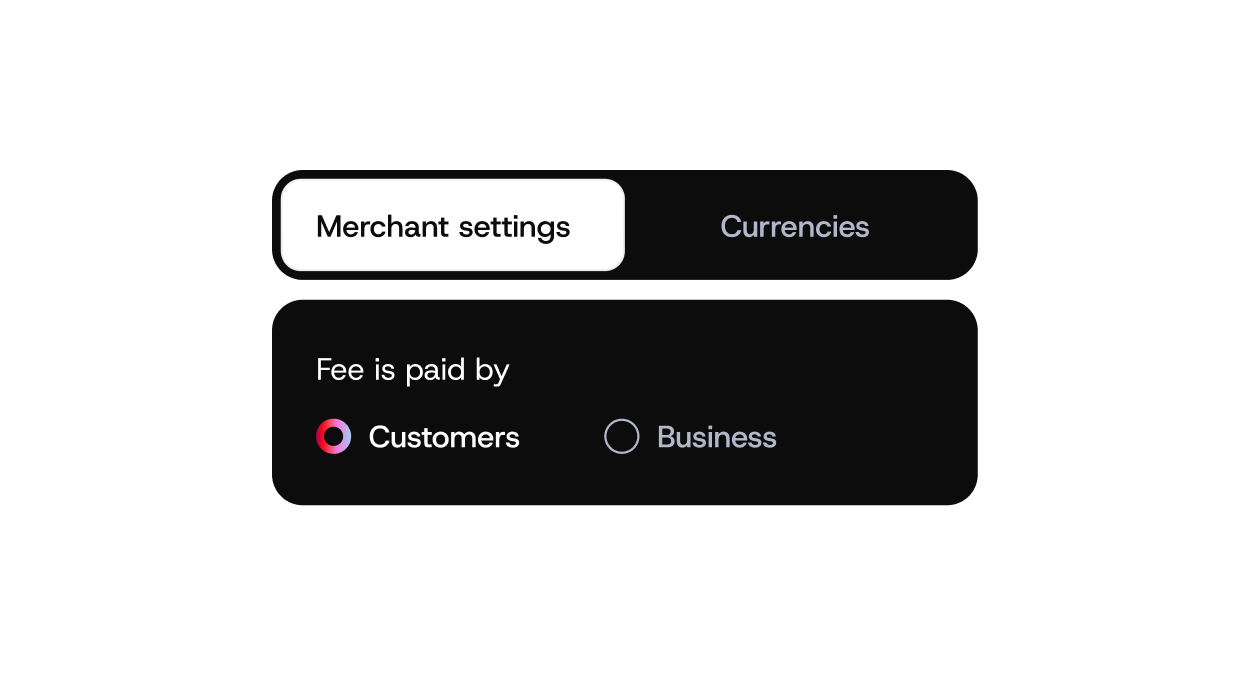
Take payment in 70+ cryptocurrencies, auto-convert into the asset you choose, and withdraw in fiat to your bank account with instant settlements — so your unit economics per million tokens stay comparable month to month.
Keep your metering, your credit ledger and your card processor. GatewayCrypto is another way for money to reach you, not a rebuild.
Create your GatewayCrypto account in just a few simple steps.
Connect our API to your billing service: we detect the payment and fire a callback, and your code credits the balance exactly as it does for a card top-up.
Let customers pay in the coins they already hold, from Bitcoin to the stablecoins most of the world's developers use as their dollar account.
Withdraw your revenue to your bank account whenever you want, with instant fiat settlements.
 GatewayCrypto Integration
The protocols for machines paying machines are real and moving fast — and they do not agree with each other yet: one of the big agent-payment standards is card-only by specification, another ships cards first and reaches crypto through an extension, and the HTTP-native one settles in stablecoins. We are not going to tell you we have solved that. What we do is the part that already pays your bills today: the money your customers actually send, credited the moment it lands and settled to your bank.

An AI product ships to the whole internet on the first day, but cards do not: declines, cross-border fees, and entire regions where a developer with a great idea simply has no way to pay you. Crypto is the rail they already have.

Inference is priced in fractions of a cent and sold in constant, small top-ups. Lower transaction fees than traditional payment methods mean the rail does not eat the margin you fought your infrastructure bill for.

Card processors publish lists of businesses they will not serve, and a young category can land on one overnight. A second rail turns a policy change at your acquirer into an inconvenience rather than an outage on your revenue.

A near-perfect acceptance rate: we make sure that almost every top-up your customers send actually reaches you — including the ones a card issuer would have declined for reasons neither of you will ever be told.

Our integration is designed to be straightforward, so crypto becomes another way to fund a balance — without touching the metering and rate-limiting logic your product depends on.

We partner with leading KYT providers and implement robust security measures, so every payment is screened and every transaction is compliant with regulatory standards — the trail your enterprise customers and your auditors will ask for.

Every crypto transaction is final. Compute is the one product you can never take back once it has been consumed — so a rail where payment cannot be reversed after the fact is not a nice-to-have, it is the point.

Tell us how your product charges — credits, seats, tokens, GPU hours — and who you have to pay on the other side, and we will show you what the crypto rail changes.
Crypto payment processing explained: the 6-step flow, confirmation times and fees by network, custodial vs non-custodial, compliance and top providers.
A 2026 integration playbook for accepting cryptocurrency in e-commerce and SaaS. Plug-ins for Shopify, WooCommerce, and Magento, REST API, webhooks, reconciliation, refunds, and common launch pitfalls.
The best crypto payment gateways in 2026 compared side by side: GatewayCrypto, NOWPayments, CoinGate, BitPay, CoinsPaid, CoinPayments and Coinremitter. Fees, supported coins, fiat settlement, KYC and licensing, plus how to pick one for your business.